


 Back to Projects
The Compute Gap in Africa: A Crisis That Can’t Wait
Introduction
Africa faces a critical crisis that few are talking about: the compute gap in Africa. While artificial intelligence transforms industries globally, much of the continent remains locked out due to a severe shortage of computing power. Africa accounts for less than 1% of global data center capacity despite representing approximately 19% of the world’s population, a disparity with devastating implications.
The AI infrastructure in Africa is inadequate, and the Africa computing power shortage is widening rapidly. Without urgent action, the continent risks permanent technological exclusion and economic marginalization in the digital age.
The Problem: Why It Matters Now
The Numbers Are Stark
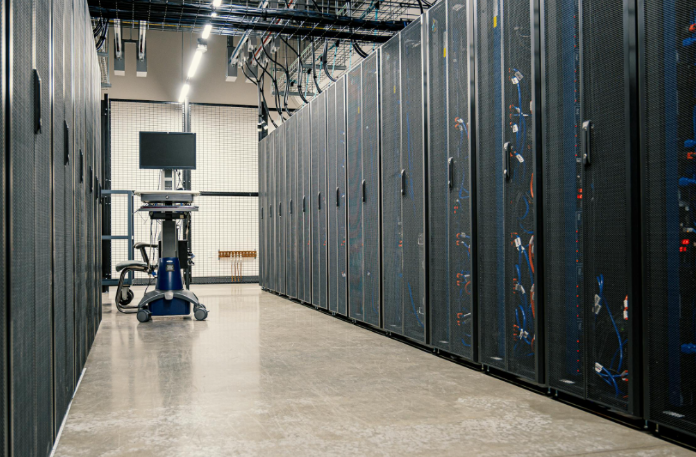
The digital infrastructure gap Africa faces is dramatic. Africa has approximately 229 operational data centres across 38 countries compared to thousands across North America and Europe. This means African companies must route data across continents, paying 2-3 times more for computing services than their global competitors.

Why AI Compute Infrastructure Africa Needs is Critical
AI infrastructure in Africa is essential because without it:
- African tech companies cannot develop homegrown AI solutions
- Startups struggle to compete in the global digital economy
- Talent leaves the continent for better opportunities elsewhere
- Critical sectors like healthcare, agriculture, and finance cannot innovate
- The continent remains a consumer of technology, not a creator
The Real Cost
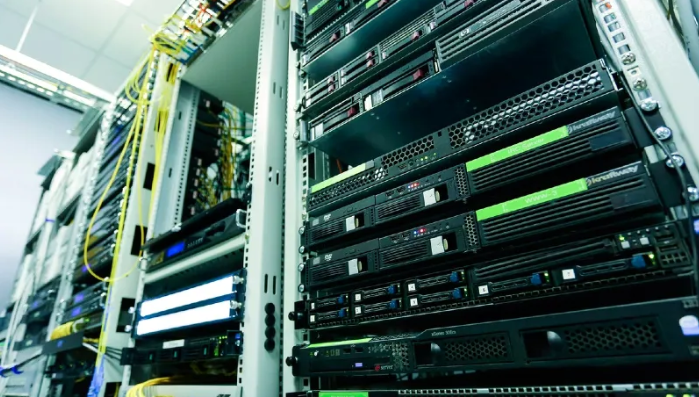
The cloud infrastructure Africa lacks perpetuates a vicious cycle:
- No computing resources – no local AI development -no tech jobs
- Brain drain accelerates as talented engineers migrate
- Foreign companies dominate and extract value
- Billions of people remain excluded from the digital economy
- The inequality gap continues to widen
Solutions: Closing the Compute Gap
Addressing the compute gap in Africa requires coordinated action across four areas:
1. Government Leadership
African governments must establish clear policies, offer tax incentives for data center capacity in Africa, invest in power infrastructure, and create favorable regulations for tech investment.
2. Infrastructure Investment
Building high-performance computing in Africa requires substantial capital through public-private partnerships, development financing, and venture capital dedicated to tech infrastructure.
3. Power and Connectivity
The cloud infrastructure Africa depends on reliable electricity and fiber-optic networks. Investment in renewable energy and broadband expansion is non-negotiable.
4. Regional Cooperation
No single country can solve this alone. Pan-African initiatives like the AU/ECA African Cloud Infrastructure Initiative point the way toward interconnected regional data center networks and shared standards.
Success Stories Emerging
Despite challenges, progress is happening:
- MainOne (West Africa), Rack Centre (South Africa), and Nairobi Data Centre are building local alternatives to international providers
- Tech hubs in Lagos, Nairobi, and Cape Town are thriving
- More data center capacity in Africa is coming online each year
- Multinational tech companies are expanding African presence
But growth is too slow. We urgently need to increase our investment and commitment.

The Window Is Closing
The AI infrastructure gap won’t close itself. The timeline is critical:
- AI technology advances daily, creating an expanding gap
- Each year of delay makes catching up harder and more expensive
- Global tech companies are establishing dominance now
- A generation of African youth needs opportunities at home, not abroad
What Success Looks Like
If Africa closes the digital infrastructure gap, the continent could:
✓ Develop AI solutions for African challenges in healthcare, agriculture, and finance ✓ Create millions of high-wage tech jobs ✓ Retain talented technologists and entrepreneurs ✓ Attract global investment and innovation ✓ Build a competitive 21st-century digital economy

The Bottom Line
The compute gap in Africa is both a crisis and an opportunity. The solutions are known. The technology exists. What’s needed is the political will and investment to build AI compute infrastructure Africa requires. The future of the continent’s digital economy depends on closing this gap now.
The time to act is today.
