


 Back to Projects
Last June, I hosted a PEDL (Private Enterprise Development in Low-Income Countries) workshop focused on the growing AI ecosystem in Kenya, which brought international researchers from Harvard, Chicago Booth, and Oxford together with Kenya’s AI startup founders, university professors, and government officials. The goal? Help visiting researchers understand Kenya’s digital transformation landscape while creating real connections that could spark future collaboration.
PEDL is a research initiative focused on understanding what drives private sector development in low-income countries. Their researchers study everything from market frictions to high-growth entrepreneurship. This three-day workshop was part of their broader exploration of how AI and fintech are shaping Africa’s economic future.
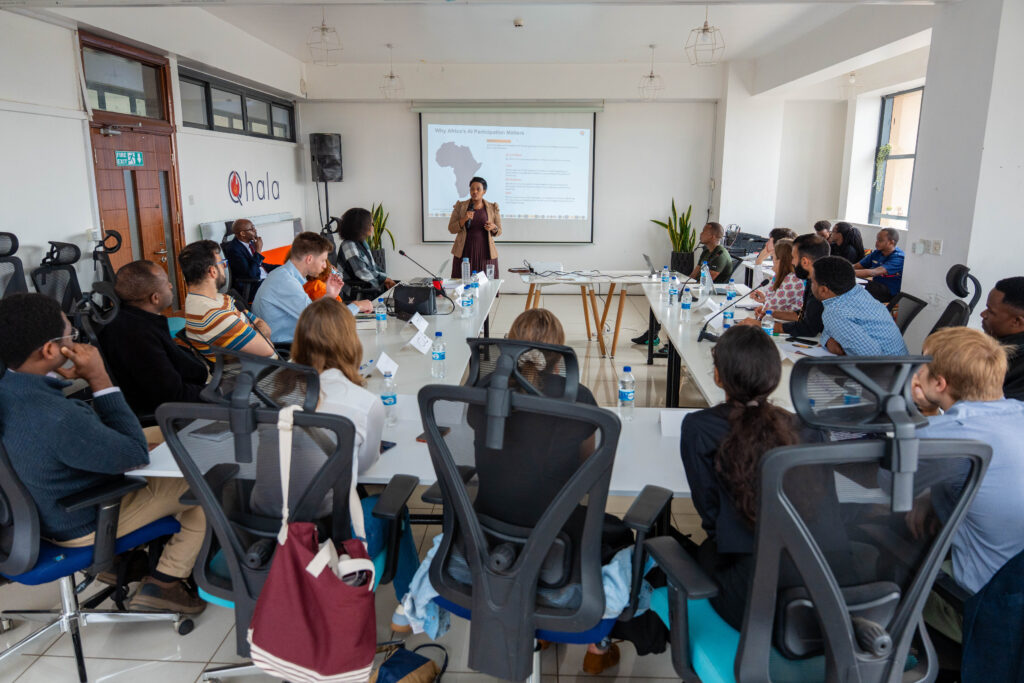
Strategic Content Curation
The success of any immersion experience starts with who’s in the room. I brought together a carefully selected mix of voices from Kenya’s digital transformation landscape.
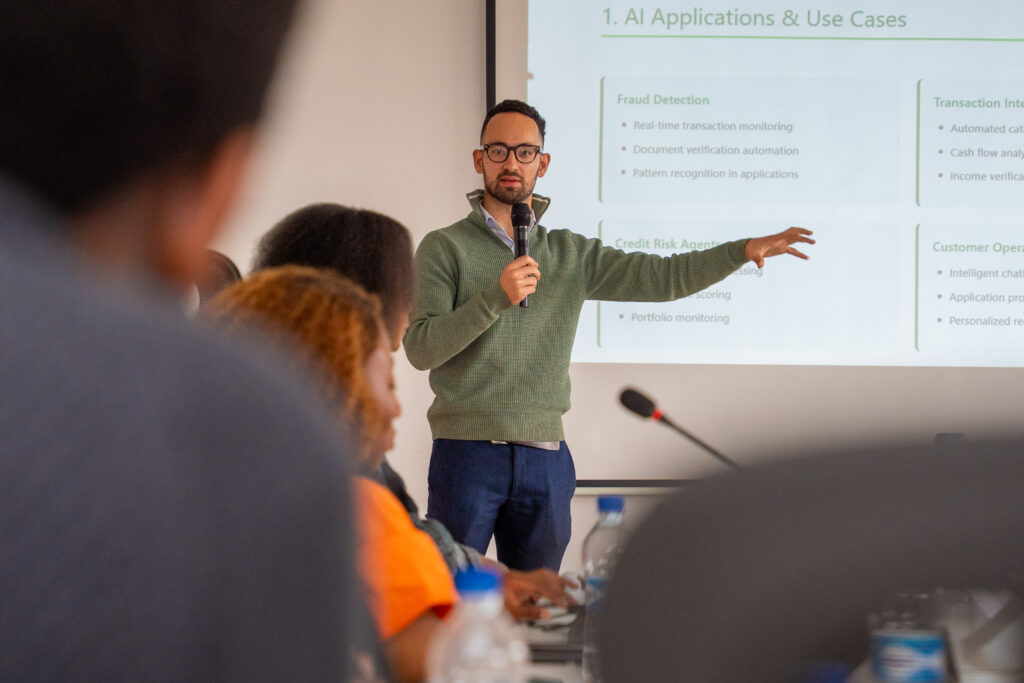
Felix Omwansa from Geviton shared how their embedded systems work to power smart products in the energy and mobility sectors.
John Mark from Hokela demonstrated their AI-driven retail distribution platform that helps agents optimize inventory, pricing, and delivery routes.
Josh Allen from Pezesha explained how their “Pass Score” AI engine tackles the MSME financing gap by processing diverse data sets—from mobile money statements to behavioral information.
The Knowledge Triangle in Action
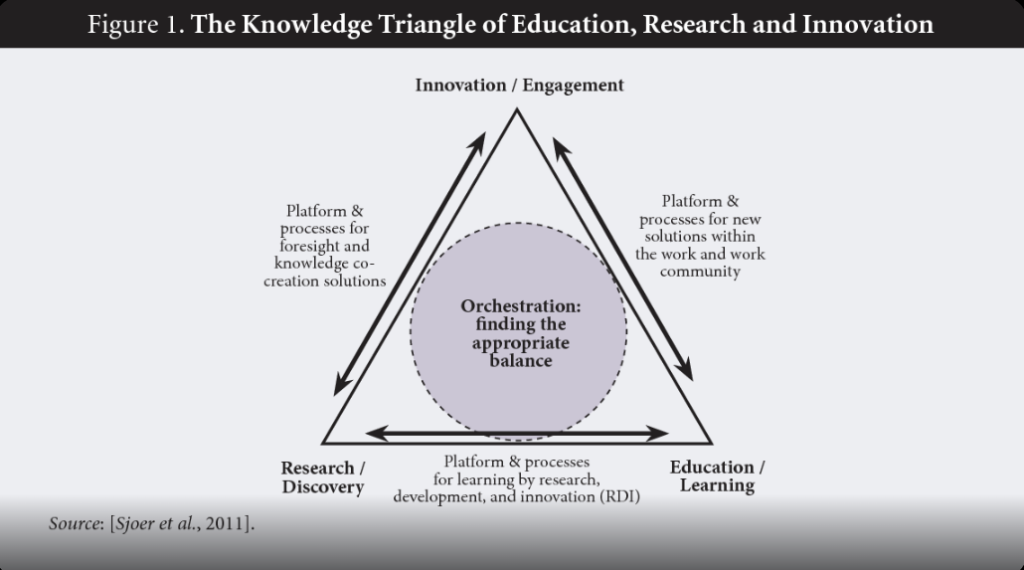
But I didn’t stop at startups. What made this workshop particularly powerful was how it embodied the Knowledge Triangle framework, the integrated approach connecting research, education, and innovation that drives knowledge-based economies.
I brought in Dr. Tim Kamanu from the African Institute of Mathematical Sciences, who spoke about training AI talent in local communities to prevent brain drain.
Professor Lawrence Nderu from JKUAT’s J-HUB Africa highlighted how their innovation hub supports student enterprises while building datasets for African challenges.
Alphonse Kanunga from the State Department of Higher Education and Research brought the government perspective on digital transformation and curriculum modernization.
This mix gave visiting researchers a complete picture of Kenya’s AI ecosystem, from founders solving real problems to academics building capacity to policymakers shaping the regulatory environment.
What We Accomplished
By the end of the session, the group had moved from just sharing information to identifying specific next steps. They outlined six concrete recommendations:
- Creating structured programs to connect AI startups with university students and faculty
- Building collaborative initiatives for local datasets
- Forming working groups to engage the Central Bank and policymakers on regulation
- Establishing task forces to modernize curricula
- Creating a network for ongoing collaboration
- Facilitating co-supervision arrangements where visiting scholars work alongside Kenyan professors to mentor graduate students.
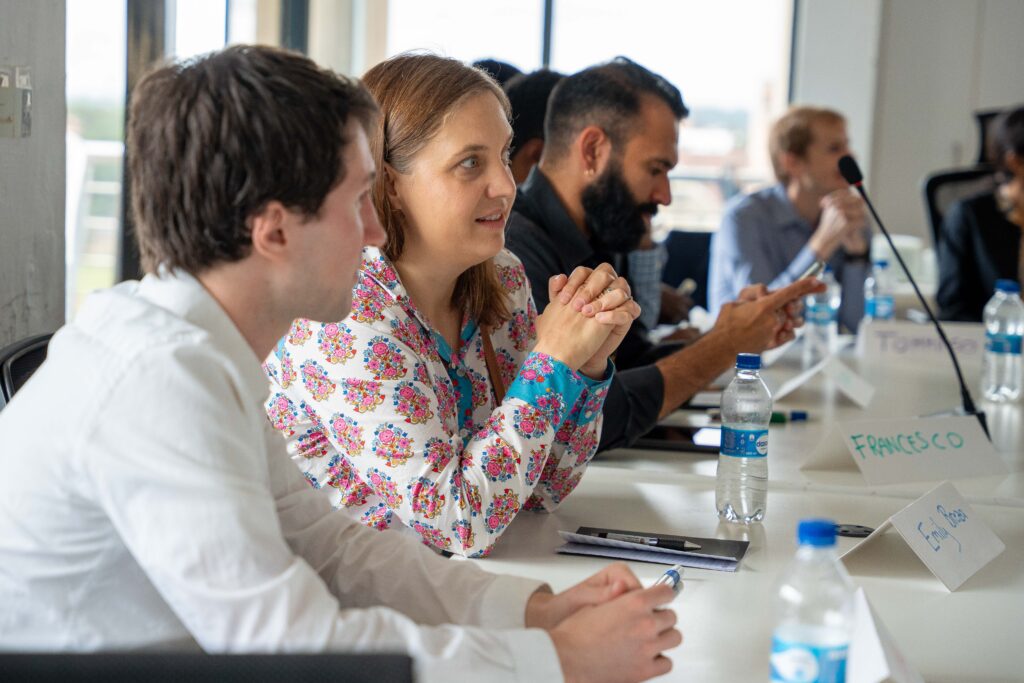
More importantly, the visiting researchers left with a grounded understanding of Kenya’s AI landscape, not from reading reports, but from sitting across the table from founders explaining why underwriting MSMEs is expensive, academics describing how they manage student IP, and government officials acknowledging where policy needs to catch up.
Why This Approach Works
I’ve organized enough immersion experiences—from bringing MBA students into Kenya’s startup ecosystem to connecting international researchers with local innovators—to know that these sessions beat slide decks every time. When researchers from elite universities want to understand Kenya’s innovation landscape, the best thing I can do is put them in conversation with the people actually building it.
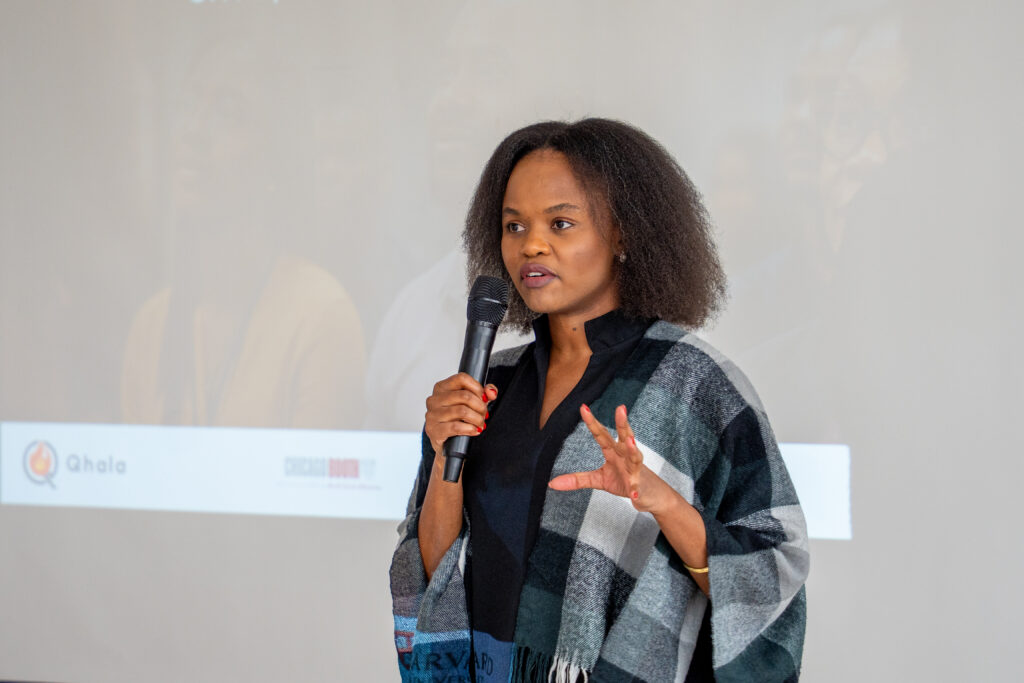
This PEDL workshop showed what’s possible when you combine strategic content curation with authentic stakeholder engagement. You identify the right people, create the right environment, and let meaningful dialogue happen.
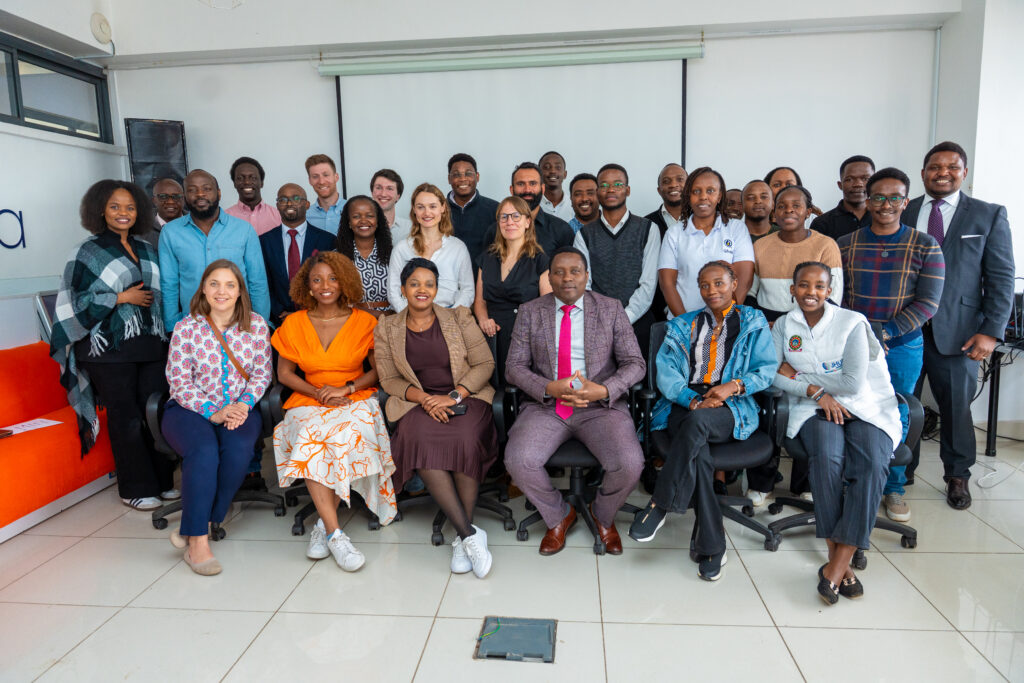
That’s what I bring to immersion experiences, the ability to see who needs to be in the room, what questions need asking, and how to facilitate exchanges that lead to real partnerships. Whether it’s connecting fintech founders with international researchers, bringing AI innovators together with university professors, or creating dialogue between startups and government officials, my role is curating cross-sector conversations that move Kenya’s digital transformation forward.
Link to full report: PEDL Workshop Report
