


 Back to Projects
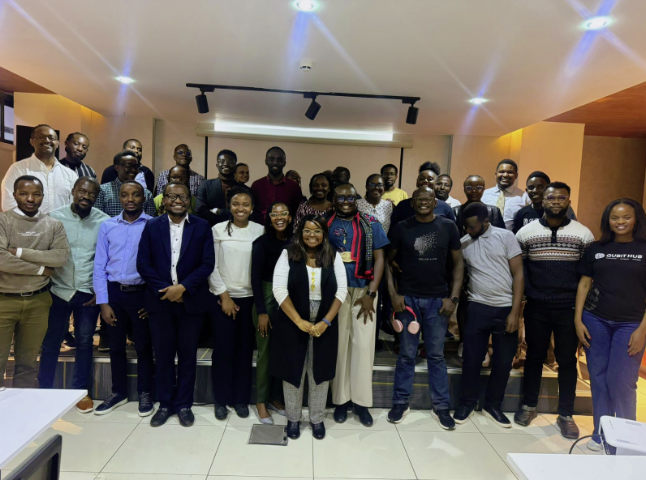
AI adoption in Kenya is moving faster than most leaders realise. Across organisations, individuals are quietly using AI tools to get work done, while the operating model, governance, and strategy haven’t caught up. This is what the Innovation Managers Meetup, held on 12th February 2026 with Qhala, set out to unpack.
The Problem
Here’s something most Kenyan organizations won’t say out loud: AI is already being used inside their teams, and over 70% of leaders have no idea it’s happening
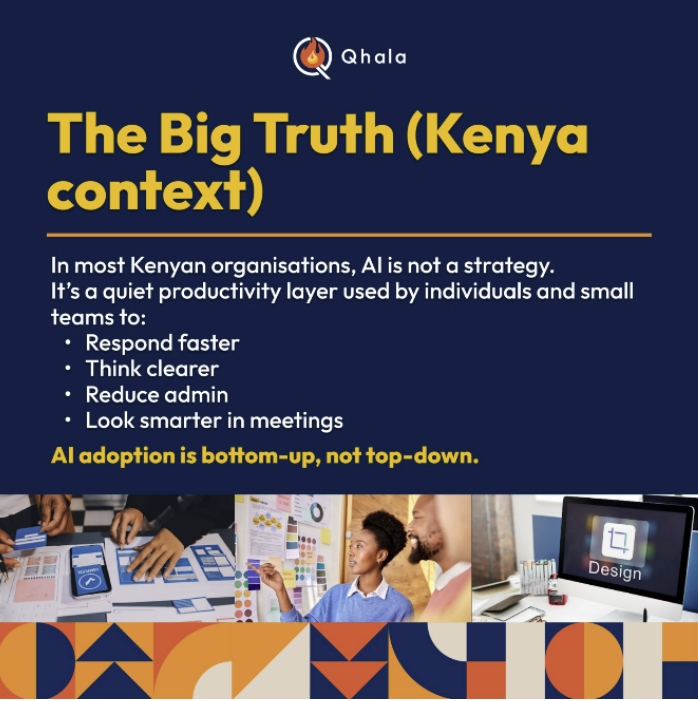
Across SMEs, banks, telcos, NGOs, and startups, employees are quietly using AI to write faster, summarize reports, and handle customer queries. But this usage is individual, invisible, and completely ungoverned.
Most organizations are capturing less than 10% of what AI can actually do for them. Not because the technology isn’t there. Because the operating model, capability design, and governance haven’t caught up.
AI is accelerating outputs. But it is not yet accelerating decisions. That’s the real gap.
What Was the Innovation Managers Meetup?
As part of my work curating AI adoption conversations in Kenya’s tech ecosystem, I co-organized the Innovation Managers Meetup, a room designed for the people actually responsible for making innovation happen inside organizations.
A grounded, honest conversation between practitioners, from SMEs, financial services, telecoms, and NGOs, about what AI adoption really looks like on the ground.
One central question drove everything: Why are Kenyan organizations stuck at the surface of AI adoption, and what does it take to scale?
What We Unpacked
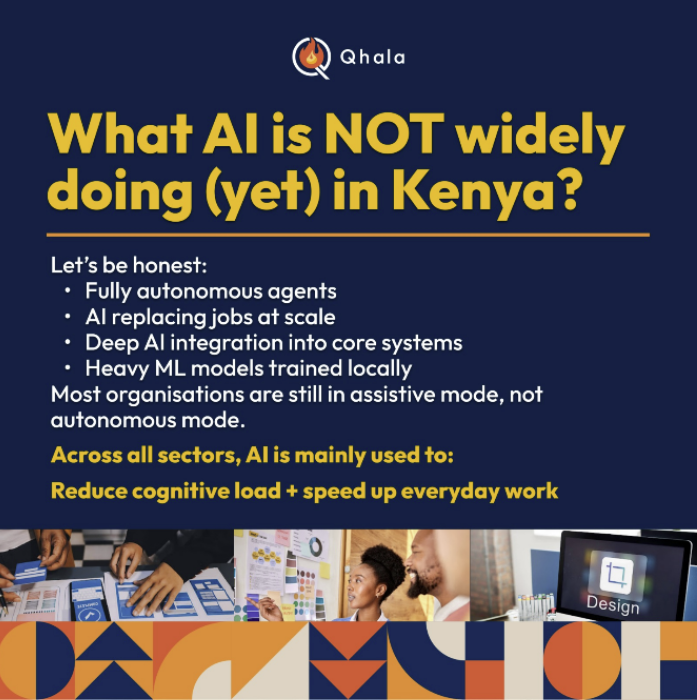
What we kept hearing in the room is that AI is being picked up by individuals.
Most organizations are experimenting with AI informally, bottom-up, not strategically. That experimentation creates value for individuals at a higher percentage compared to the organizational value needed. And without governance, it also creates hidden risks.
We mapped the strategic shift every organization needs to make:
- From knowledge locked in heads → to knowledge that stays and scales
- From repetitive tasks → to scaled efficiency
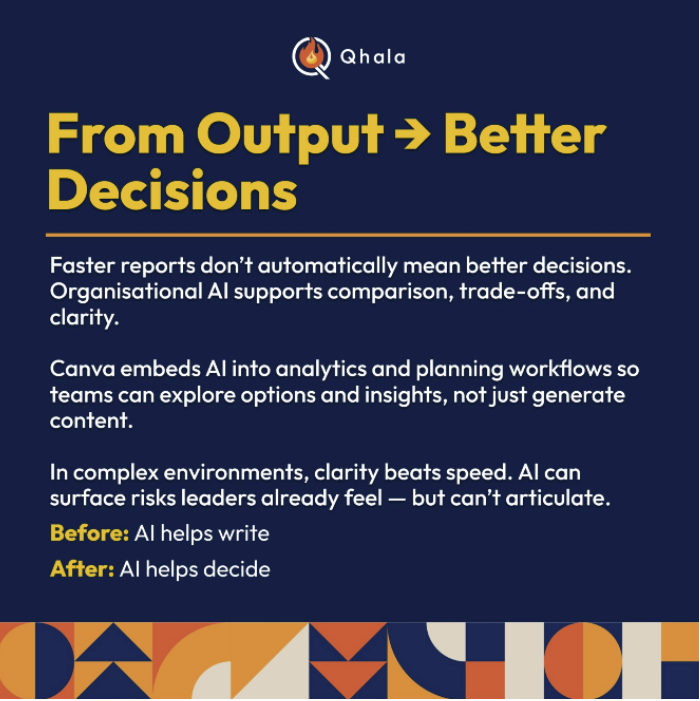
- From faster reports → to better decisions
- From hidden AI risk → to governed capability
This isn’t just a technology shift. It’s a digital transformation and operating model shift. And it’s exactly where innovation managers need to step up.

The Practical Starting Point
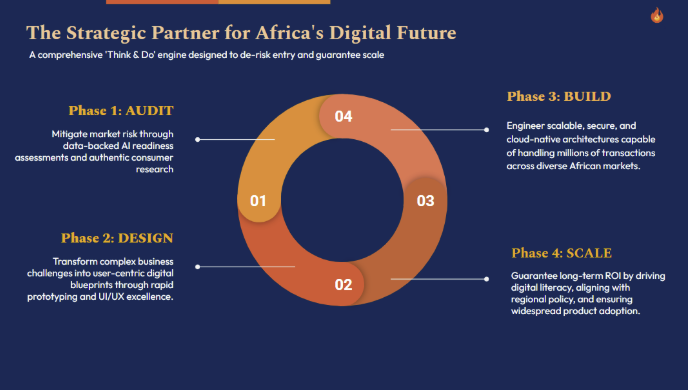
Attendees left with a four-step framework they could act on immediately:
- Audit Current AI Use — Map where your teams are already using AI informally. You cannot govern what you cannot see. Make the invisible visible.
- Identify One High-Leverage Use Case — Pick one repeatable workflow: HR FAQs, reporting, onboarding, or customer queries. One focused use case builds the internal proof of concept for scale.
- Design for Adoption, Not Experimentation — Embed AI into the workflow itself, not as an optional side tool. This is basic go-to-market strategy thinking applied internally: design for habit, not awareness.
- Introduce Governance Early — Visibility, data controls, and trust must grow alongside usage. Governance is a foundation, not a final step.
Why This Matters
The Innovation Managers Meetup reinforced something I believe deeply about Kenya’s tech and innovation ecosystem: the organizations that will win with AI are not the ones with the most tools. They’re the ones with the clearest positioning strategy around what AI is supposed to do, and the organizational structure to make it happen consistently.
Innovation managers are perfectly placed to lead this. They sit at the intersection of strategy and execution, across functions and departments. Adoption is already happening everywhere — what’s missing in most organizations is the intention behind it.
That’s the conversation I’m committed to building space for.
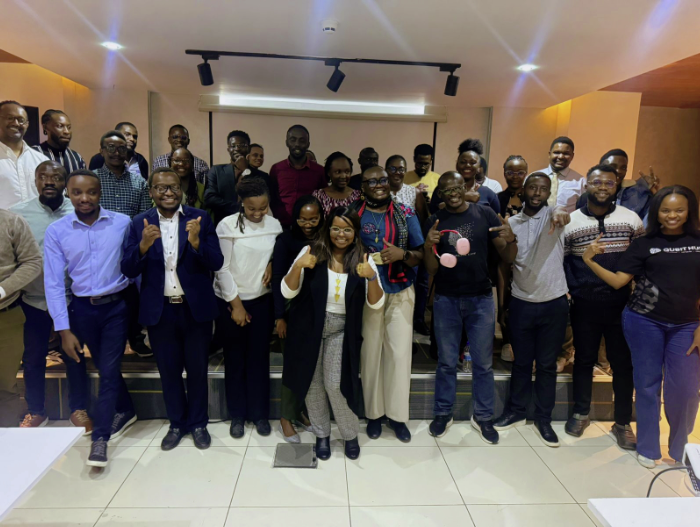
A special thank you to my colleagues: Anne Salim | Thomas Kaberi | Rachael Mwangi | Gloria Kamau for their support in making the event a success.
Connect with me on LinkedIn or send a message to continue the conversation.
